Issue 42 · Padel / Operations
Which Racket Sport is Actually the Most Expensive to Play?
An honest cost breakdown of tennis, padel, pickleball, squash, and badminton covering gear, court hire, and coaching fees.
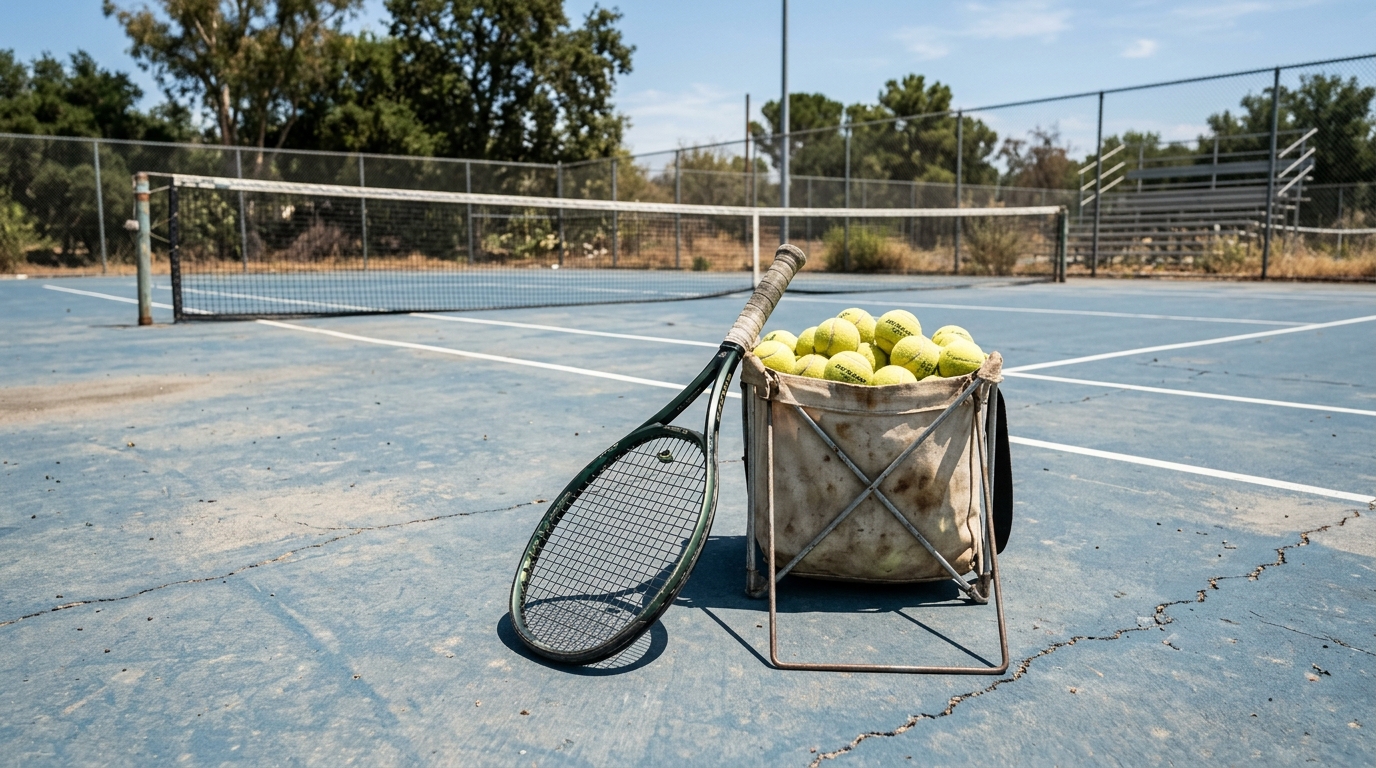
When facility operators and industry investors look across the court schedule, determining the most expensive racket sport comes down to an unforgiving mix of gear wear, court splits, and private coaching hours. The short answer is that tennis takes the crown by a wide margin. Baseline figures compiled by the Racket Sports Institute put the entry-level annual spend for tennis between $910 and $1,740, easily outpacing padel at $740 to $1,420 and pickleball at $390 to $880.
That margin explodes once you factor in skill acquisition. Tennis carries a technical barrier that practically forces players into private lessons to hold a rally, tacking on roughly $2,080 each year for a single weekly lesson. Recreational marketing sells all racket sports as low-overhead fitness, but the reality on the balance sheet shifts drastically depending on whether you play singles or doubles, burn through fresh balls, or hire a coach to fix your swing mechanics.
Court Demand and Upkeep Make Tennis the Most Expensive Racket Sport
While squash and badminton maintain dedicated followings, the modern recreational debate centers on tennis, padel, and pickleball. Examining their gear wear, court splits, and coaching requirements reveals where the real money goes. Badminton players go through feather shuttles quickly, and squash requires climate-controlled indoor courts alongside warm-up balls. Even so, neither sport demands the sustained financial outlay of tennis. Tennis combines massive footprint requirements with high ball attrition, frequent restresting costing $25 to $45 per cycle in labor and string sets every twenty hours of play, and an unforgiving technical barrier that penalises anyone who tries to learn without dedicated instruction.
Comparing Startup Gear, Court Hire, and Annual Spend
Initial hardware and consumable profiles across the market reveal exactly where equipment choices create budget friction for developing players.
| Sport | Starter Gear & Shoes | Hourly Court Fee (Per Player) | 10-Week Group Clinic | Estimated Annual Spend |
|---|---|---|---|---|
| Tennis | $210 to $360 | $10 to $20 (Singles) | $220 to $420 | $910 to $1,740 |
| Padel | $180 to $320 | $7.50 to $15 (Doubles) | $200 to $380 | $740 to $1,420 |
| Pickleball | $120 to $220 | $2.50 to $8 (Doubles) | $150 to $280 | $390 to $880 |
Looking at the broader annual spending figures from the Racket Sports Institute, the macro cost differences between the three main recreational sports become stark:
- Pickleball annual spend: $390 to $880 total, driven by $120 to $220 in starter equipment ($40 to $80 paddle, $60 to $100 court shoes, and $20 to $40 for balls), $120 to $380 in court hire, and $150 to $280 for a 10-week group clinic.
- Padel annual spend: $740 to $1,420 total, comprising $180 to $320 in starter gear ($70 to $140 racket, $80 to $130 court shoes, and $30 to $50 for balls), $360 to $720 in court hire, and $200 to $380 for group clinics.
- Tennis annual spend: $910 to $1,740 total, consisting of $210 to $360 for starter gear and upkeep ($80 to $150 pre-strung racket, $80 to $140 shoes, and $50 to $70 for balls and periodic restringing), $480 to $960 in court hire, and $220 to $420 for group clinics.
Startup Gear and Equipment Upkeep Costs
Novices frequently buy tour-level frames under the mistaken belief that pro equipment accelerates progress. Wilson makes products suitable for beginners, intermediates, and professionals alike, but high-end tournament frames are weighted and balanced exclusively for players with refined swing mechanics. They offer extra power or spin when struck dead center, but they are far less forgiving on mishits and degrade faster due to thin-beam performance layups.
Developing tennis players do far better with user-friendly frames like the Wilson Blade 104 v8 ($219), which offers a generous sweet spot. Moving up to an intermediate frame like the Babolat Pure Aero ($269) produces exceptional spin, but its stiff frame can punish an unconditioned arm. The Head Radical Pro ($249) offers heavy frame stability, yet its smaller head size requires disciplined footwork. The Yonex EZONE 100 ($259) relies on an isometric head shape to broaden the sweet spot, though its dampened contact feel divides players.
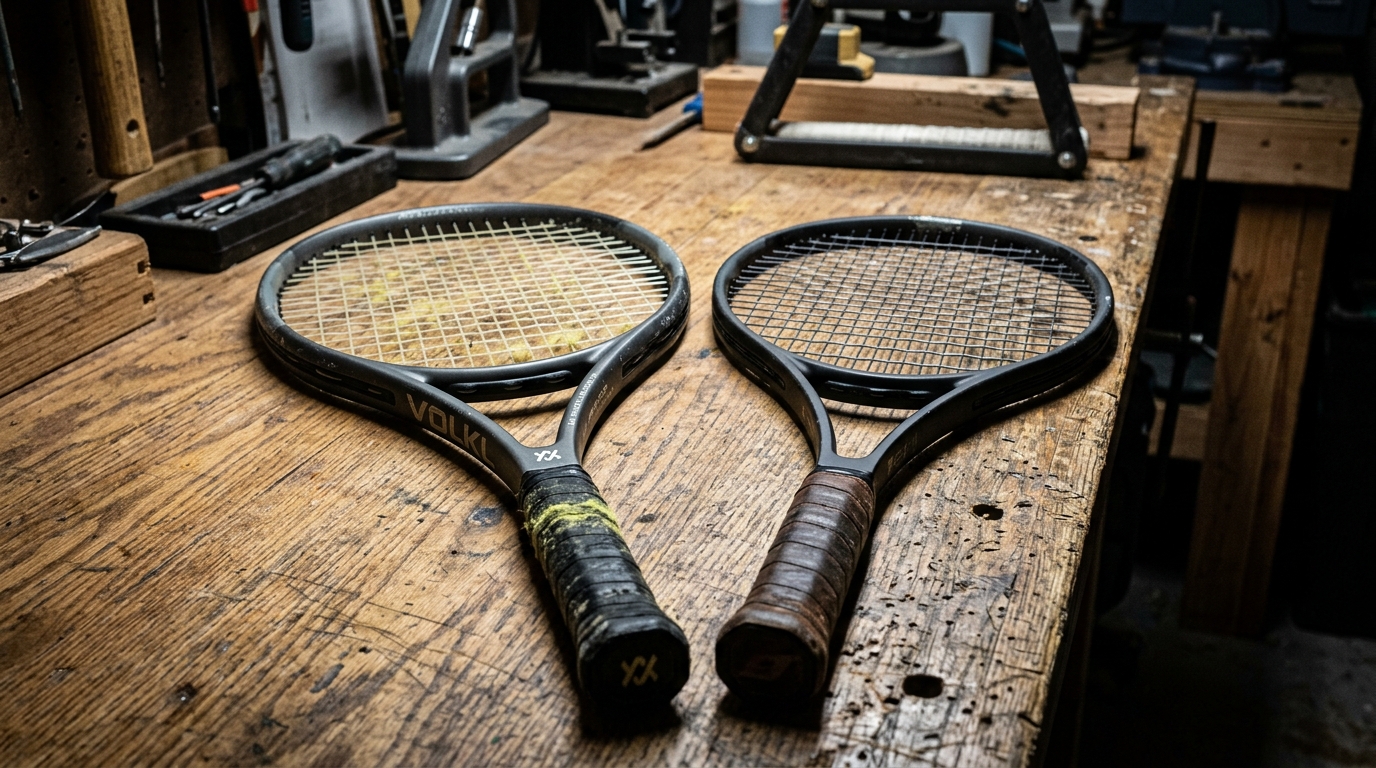
Consumables also drain budgets at different speeds across codes. A three-ball can of Wilson US Open Extra Duty costs $8.99 and goes dead after two hard matches in cool conditions. In contrast, padel balls cost roughly $7 to $9 per can and lose internal pressure after four to five matches, while outdoor pickleballs run $3 to $4 each and last several weeks until surface abrasion or cracking forces a replacement.
The costliest mistake beginners make is skipping dedicated court shoes. Running trainers are built strictly for forward motion, meaning their thick, soft midsoles lack lateral torsional bracing and roll over instantly under hard directional cuts, which is why when I tested all three sports in standard trainers, I developed chronic Achilles tightness within a month. A $90 pair of herringbone-tread court shoes protects your ankles and outlasts three pairs of mashed running shoes on abrasive asphalt.
Court Hire Rates and Singles Versus Doubles Splits
Player density dictates the court bill far more than the hourly facility rate. The table below outlines how standard singles and doubles formats distribute facility overhead among players across 48 annual sessions.
| Sport | Hourly Facility Fee | Player Format | Cost Per Player Per Hour | Annual Cost (48 Sessions) |
|---|---|---|---|---|
| Tennis | $20 to $40 | Singles | $10 to $20 | $480 to $960 |
| Padel | $30 to $60 | Doubles | $7.50 to $15 | $360 to $720 |
| Pickleball | $10 to $32 | Doubles | $2.50 to $8 | $120 to $380 |
Padel facilities charge higher base rates because building enclosed glass and mesh courts requires heavy capital. However, climate-controlled indoor rental represents the real cost multiplier: booking winter tennis or padel courts inside heated air domes pushes hourly rates from $40 to $90 per hour. But because padel is played almost exclusively as doubles, four players split that $30 to $60 fee down to $7.50 to $15 per person per hour. Tennis courts cost $20 to $40 an hour, yet recreational tennis is predominantly booked for singles, leaving two players to absorb $10 to $20 each. Pickleball costs even less, running $2.50 to $8 per person per hour because four players share small courts, often on free public park surfaces.
Coaching Curves and the Hidden Private Lesson Bill
Instructional fees represent the true dividing line between casual recreation and deep financial commitment. Ten-week group clinics run on roughly comparable scales across all three modern sports:
- Pickleball 10-week clinic: $150 to $280 ($15 to $28 per session).
- Padel 10-week clinic: $200 to $380 ($20 to $38 per session).
- Tennis 10-week clinic: $220 to $420 ($22 to $42 per session).
The costs diverge radically once group clinics wrap up. Pickleball has an accessible learning curve, allowing athletic novices to sustain rallies within their first few hours. Padel demands wall-reading skills and rebound timing, but underhand serves and enclosed rebounds keep rallies alive early on.
Tennis is an entirely different operational problem. Maintaining a baseline rally requires kinetic chain coordination, precise footwork spacing, and grip transitions that do not come naturally. As a result, tennis players book one-on-one coaching far more frequently than padel or pickleball players. At an average rate of $40 per hour, a single weekly private tennis lesson adds $2,080 per year to a player's ledger. For anyone serious about reaching intermediate play, that private coaching bill transforms tennis into the costliest racket sport by an overwhelming margin.
Who Should Pick Which
Tennis remains the undisputed king of racket sports if you have the patience and the capital to conquer its steep learning curve. But attempting to shortcut progress with generic trainers or skipping coaching leads directly to stalled swing mechanics and chronic injury. Matching your ambition to your actual budget keeps you on the court instead of burning out:
- Pickleball for the lowest financial barrier: Grab an entry-level paddle and take advantage of free public park courts to keep annual expenses between $390 and $880. It carries an outdated reputation as a retiree pastime, but watching younger tournament players proves the demanding hand speed, lateral agility, and genuine conditioning it delivers.
- Padel for balanced costs and social play: The mandatory doubles format splits court hire four ways to hold annual spend between $740 and $1,420, making it an ideal middle ground for meeting other players and getting a rigorous physical workout without tennis's brutal technical wall.
- Tennis for a lifelong technical pursuit: Budget at least $3,000 annually once you combine dedicated lateral court shoes, an accommodating frame like the Wilson Blade 104 v8, regular court bookings, and the weekly private instruction required to build consistent rally mechanics.
Tennis drains your wallet faster than any other racket sport because its steep technical demands force you into private lessons and its singles format doubles your court fees. If you're weighing your options as an investor or player, look at these specific steps:
- Audit your coaching needs: Factor in at least $2,080 annually for weekly private instruction if you are starting tennis from scratch.
- Protect your joints first: Buy proper herringbone-tread court shoes on day one to avoid the Achilles pain caused by sliding in running trainers.
- Leverage doubles formats: Choose padel or pickleball if you want to split facility hire four ways and keep your annual overhead under $1,420.
- Test the frames: Demo an accommodating frame like the Wilson Blade 104 v8 rather than buying a stiff, tour-level racket that punishes developing arms.
What I'd Buy Today
Tennis takes more of your money than any other racket sport because its steep technical demands force you into private coaching while its singles format doubles your court fees. If you are building a facility or investing in court development, recognise that tennis players carry the heaviest ongoing operational spend. For individual players stepping onto the court, your choice comes down to matching your capital to the sport's actual friction points:
- Budget for tennis coaching: Expect to spend at least $2,080 annually on weekly private instruction if you are learning tennis from scratch.
- Protect your joints first: Buy proper herringbone-tread court shoes on day one to avoid the Achilles pain caused by sliding in standard running trainers.
- Leverage doubles formats: Choose padel or pickleball if you want to split facility hire four ways and keep your annual overhead under $1,420.
- Test the frames: Demo an accommodating frame like the Wilson Blade 104 v8 rather than buying a stiff, tour-level racket that punishes developing arms.